
205 North Cherry St.
Kernersville, NC 27284

How Kernersville Moms Use Prenatal Chiropractic for Third-Trimester Lower Back Pain Relief
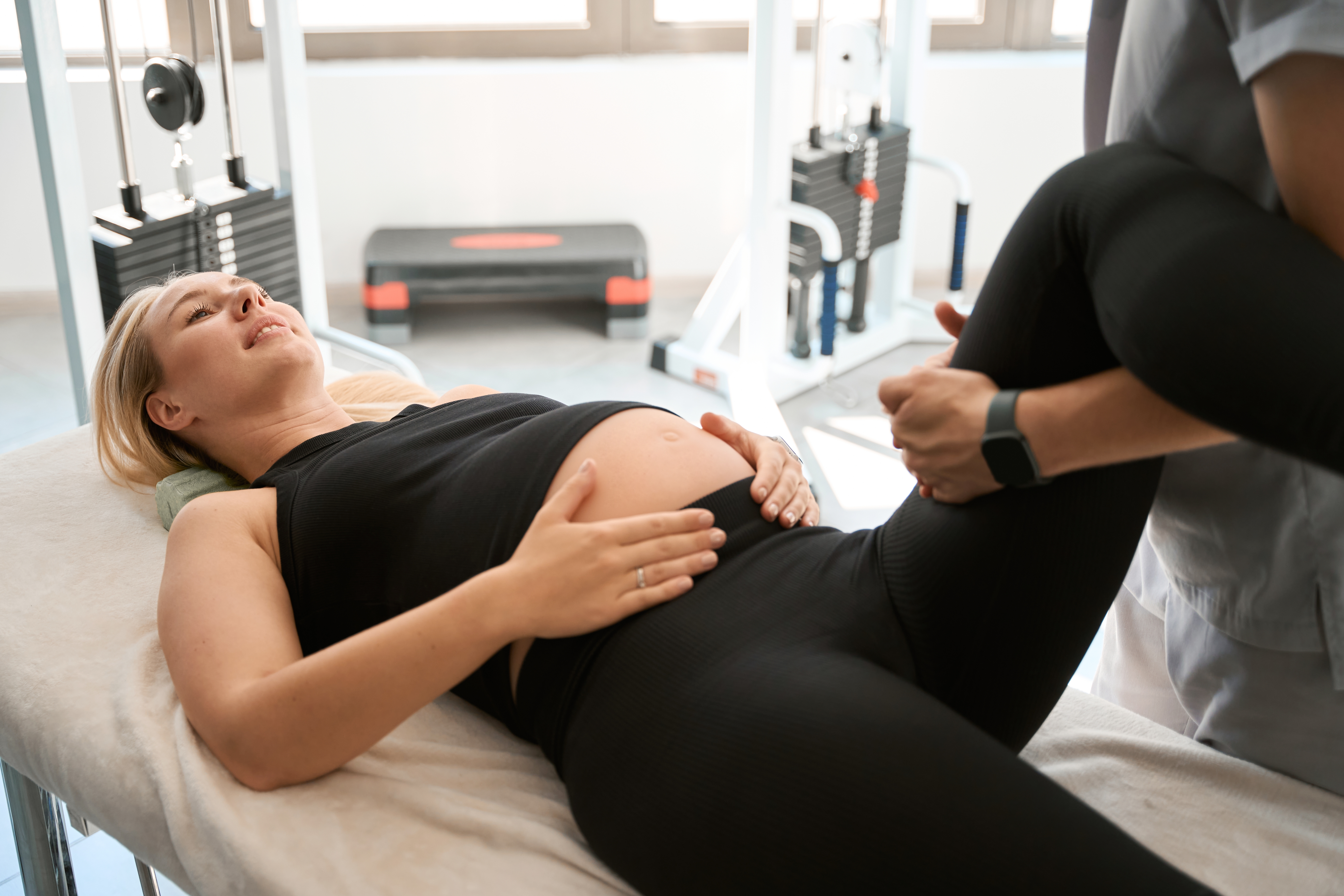
The third trimester brings major changes to the body. As your baby grows, your center of gravity shifts, the abdomen places more demand on the lower back, and everyday movements such as standing, walking, sleeping, or getting out of a chair can become uncomfortable.
At Meylor Family Chiropractic in Kernersville, we provide prenatal chiropractic care tailored to the changing needs of pregnant patients. By using pregnancy-appropriate positioning, gentle chiropractic techniques, and supportive exercises when appropriate, our goal is to improve mobility and help reduce musculoskeletal discomfort during the later stages of pregnancy.
Why Lower Back Pain Becomes Common in the Third Trimester
As pregnancy progresses, additional weight at the front of the body can increase the workload placed on the lower back and pelvis. Hormonal changes also affect ligaments and joints as the body prepares for delivery.
At the same time, posture may naturally change. Some women develop a more pronounced curve in the lower back or adjust the way they stand and walk to accommodate their growing abdomen.
These changes can contribute to tight muscles, restricted movement, and soreness around the lower back, hips, or pelvis.
Signs Musculoskeletal Strain May Be Affecting You
Pregnancy discomfort varies from person to person, but some symptoms may suggest that the changing mechanics of pregnancy are placing extra strain on your back and surrounding joints.
Common concerns include:
- Aching across the lower back
- Hip or pelvic discomfort while walking
- Increased stiffness after sitting or sleeping
- Pain when standing for extended periods
- Difficulty finding a comfortable sleeping position
- Muscle tension around the hips and lower back
- Discomfort when transitioning from sitting to standing
Because back or pelvic pain during pregnancy can sometimes have causes unrelated to muscles and joints, new, severe, or unusual symptoms should always be discussed with your obstetric provider.
How Prenatal Chiropractic Care Is Adapted for Pregnancy
Prenatal chiropractic care is not simply a standard adjustment performed the same way throughout pregnancy. Techniques and positioning can be modified as the abdomen grows.
Meylor Family Chiropractic uses approaches intended to accommodate pregnant patients comfortably and avoid unnecessary pressure on the abdomen. The chiropractor evaluates posture, movement, joint mobility, and areas of muscular tension before determining what care may be appropriate.
Gentle adjustments may be used to address restricted motion in the spine or pelvis. The purpose is to support more comfortable movement and reduce mechanical strain, not to force the body into a particular position.
Chiropractic Care May Be Combined With Exercise
Movement outside the office also plays an important role in managing third-trimester discomfort.
Depending on your needs, stretches or therapeutic exercises may be recommended to support mobility, strength, and better movement patterns. Gentle exercises can help the muscles surrounding the pelvis and spine handle the physical demands of pregnancy more efficiently.
Daily habits also matter. Changing positions regularly, using supportive pillows while sleeping, avoiding prolonged standing, and paying attention to lifting technique can help reduce repeated strain.
Prenatal Chiropractic Does Not Replace Obstetric Care
Chiropractic care can be one part of managing pregnancy-related musculoskeletal discomfort, but it does not replace routine prenatal medical care.
Lower back pain accompanied by vaginal bleeding, fever, fluid leakage, regular contractions, significant abdominal pain, new weakness or numbness, or other concerning symptoms requires prompt medical evaluation.
We also encourage patients to communicate with their obstetric provider about any complementary care they receive during pregnancy, particularly when there are pregnancy complications or other medical concerns.
Supporting More Comfortable Movement Before Delivery
Third-trimester back pain does not always have to be accepted as something you simply endure until delivery. Identifying movement restrictions, muscle tension, and everyday activities that aggravate discomfort may help make the final months of pregnancy easier to manage.
If lower back, hip, or pelvic discomfort is making your third trimester more difficult, schedule a prenatal chiropractic evaluation with Meylor Family Chiropractic at 205 North Cherry St., Kernersville, NC 27284, or call (336) 996-3737 to explore personalized care designed to support more comfortable movement throughout pregnancy.
© 2026 Meylor Family Chiropractic. All rights Reserved - Accessibility Statement - Privacy Policy - Sitemap
Powered by
